The Best Fluffy Pancakes recipe you will fall in love with. Full of tips and tricks to help you make the best pancakes.

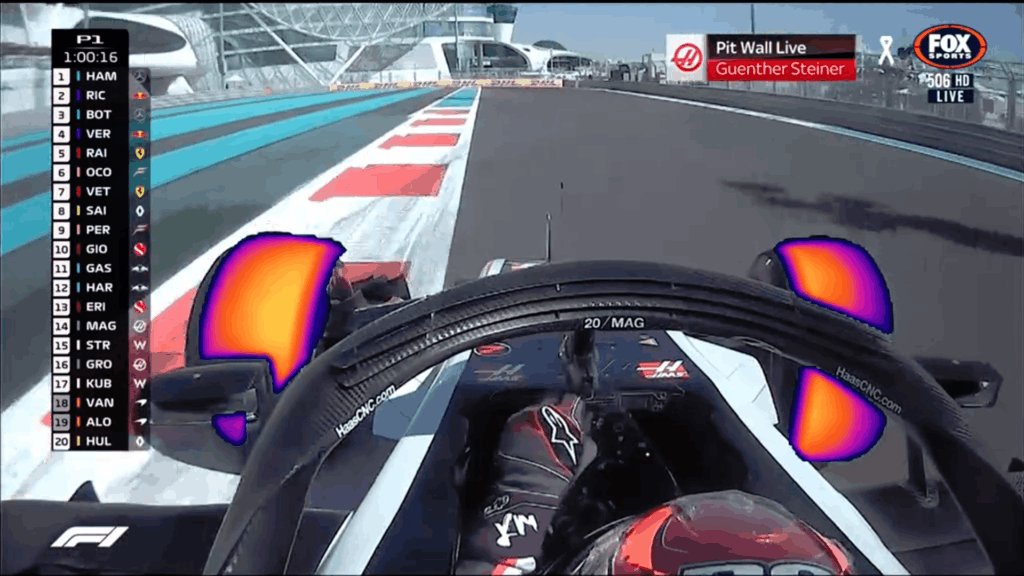
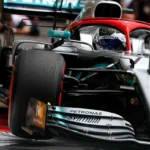
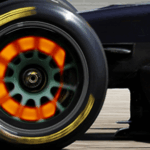
In Formula 1, tires only deliver peak grip within a narrow temperature window. Too cold and the car slides; too hot and performance collapses. Managing tire temperatures affects braking, traction, tire life, strategy decisions, and even safety car outcomes. Understanding this invisible battle explains why races are won or lost long before the checkered flag.
Introduction: The Hidden Performance Factor
To new fans, Formula 1 looks like a sport dominated by engines, aerodynamics, and driver talent.
But ask any engineer what truly controls lap time, and the answer often comes back immediately:
the tires.
More specifically, how well the team and driver can keep them inside the perfect operating temperature.
Modern F1 tires are incredibly sensitive. A few degrees can mean the difference between fighting for victory or sliding backwards through the field.
Temperature affects everything.
It determines:
- How much grip the car has
- How confident the driver feels
- How long a stint can last
- Whether an overtake is possible
- If a strategy will succeed
In many races, tire management is the real competition happening underneath the surface.
The Science of Tire Grip
Tires generate grip through a mix of mechanical keying and chemical adhesion. When rubber reaches its ideal heat range, it becomes elastic enough to interact perfectly with the asphalt.
If the temperature moves outside this range, the relationship breaks down.
Proper temperature allows:
- Maximum contact patch
- Stable rubber behavior
- Predictable response
- Strong braking performance
- Efficient acceleration
Once outside the window, performance falls rapidly.
What Is the Ideal Temperature Window?
Each compound supplied by Pirelli has a specific target range where it works best.
Although exact numbers vary, teams generally aim for precise, narrow margins.
For example, operating ranges often influence:
- Front vs rear balance
- Short-run performance
- Long-run degradation
- Warm-up characteristics
- Resistance to overheating
Finding this window is one of the biggest setup challenges of a race weekend.
What Happens When Tires Are Too Cold?
Cold tires are one of the most dangerous situations in Formula 1.
Without heat, rubber is stiff and cannot grip the surface properly.
Drivers experience:
- Reduced braking capability
- Sudden understeer
- Rear instability
- Longer stopping distances
- Higher risk of spinning
This is why restarts after safety cars are so dramatic.
Why Warming Tires Is Difficult
Unlike road cars, F1 machines produce extreme aerodynamic loads. But these loads only build at speed.
At slow pace, generating heat is harder than you think.
Drivers try to create temperature through:
- Aggressive weaving
- Hard braking and acceleration
- Spinning the rear tires
- Sharp direction changes
Even then, perfect warmth is not guaranteed.
What Happens When Tires Overheat?
Overheating is equally destructive.
When rubber exceeds its ideal temperature, it becomes greasy and loses consistency.
Symptoms include:
- Sliding at corner exit
- Increased degradation
- Surface blistering
- Reduced traction
- Falling lap times
Once overheating starts, it can be difficult to reverse.
Surface vs Core Temperature
Engineers distinguish between the outside of the tire and the internal structure.
Both matter, but they behave differently.
Teams monitor:
- Surface heat for immediate grip
- Core heat for long-term durability
- Heat buildup trends
- Cooling rates
Managing both is essential for strategy.
Why Following Another Car Raises Temperatures
Dirty air is a huge factor.
When a car runs close behind another, airflow reduces cooling and forces tires to slide more.
This leads to:
- Faster overheating
- Loss of performance
- Difficulty staying close
- Shorter tire life
Sometimes a driver must back off just to cool the rubber.
Track Temperature vs Tire Temperature
Hot asphalt makes tire management more complex.
Higher track heat can push rubber beyond limits, especially during long stints.
This may create:
- Rapid degradation
- Higher pit stop frequency
- Alternate strategies
- Increased mistakes
Weather therefore becomes a strategic variable.
Setup Choices That Influence Temperature
Before the race even begins, engineers design the car to help control heat.
Key elements affect how energy flows into the tire.
They include:
- Suspension geometry
- Camber angles
- Tire pressures
- Brake duct design
- Downforce levels
A small change can dramatically shift behavior.
Driving Style Matters Too
Two drivers in identical cars can generate very different tire outcomes.
Smooth inputs usually protect temperatures, while aggressive moves stress the rubber.
Driving traits that influence heat include:
- Throttle application
- Steering smoothness
- Braking force
- Slide control
This is why some drivers are known as tire masters.
Qualifying vs Race: Different Priorities
In qualifying, teams want maximum grip immediately.
In races, longevity is often more important.
Therefore approaches differ.
Qualifying focuses on:
- Rapid warm-up
- Short performance peaks
- Aggressive preparation
Race management requires:
- Gradual buildup
- Avoiding overheating
- Long-term balance
It is a delicate trade.
Safety Cars: Temperature Chaos
When speed drops, tires cool quickly.
Restarting becomes unpredictable.
Drivers fight to rebuild heat before green flag conditions return.
Common consequences are:
- Lockups
- Spins
- Lost positions
- First-lap drama
Fans love it; engineers fear it.
Why Some Cars Are Better at Tire Management
Aerodynamic philosophy plays a huge role.
A car that slides less generally treats its tires more gently.
Advantages can include:
- Longer stints
- Flexible strategies
- Strong late-race pace
- Better consistency
Over a season, this becomes critical.
Tire Blankets and Pre-Heating
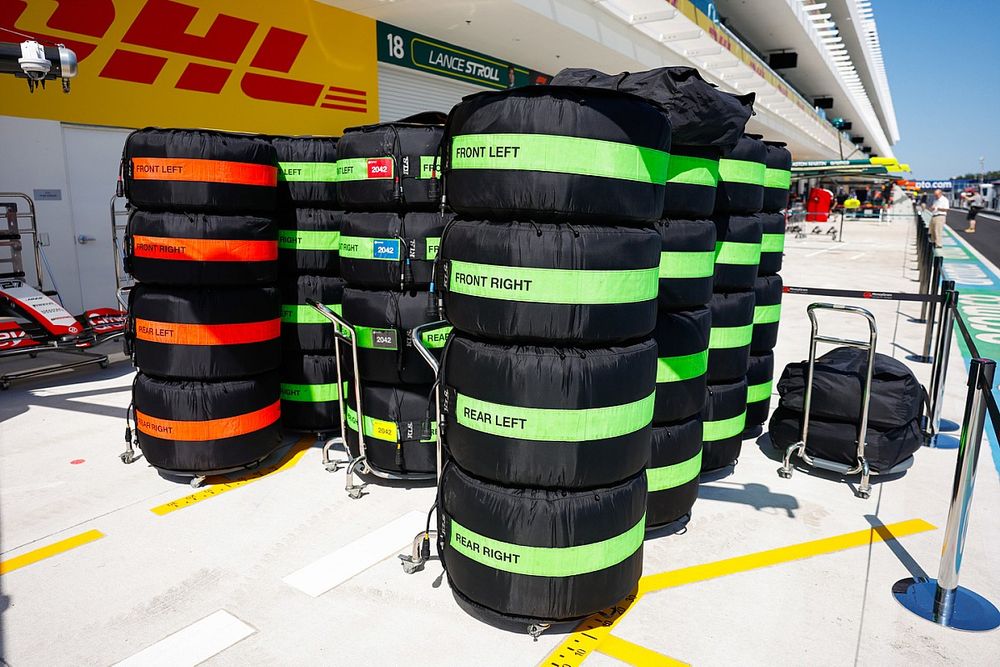
Before mounting, tires are stored in heated blankets.
This gives drivers a starting temperature close to the operating window.
However, it is not perfect.
Drivers still need:
- Aggressive out-laps
- Energy input
- Careful preparation
The first corners remain tricky.
Data: How Teams Monitor Everything
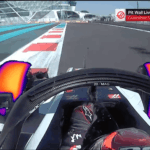
Real-time telemetry constantly informs engineers about tire state.
They analyze trends and warn drivers.
Important metrics include:
- Temperature evolution
- Degradation rate
- Slip levels
- Pressure growth
Strategy decisions depend on these numbers.
When Temperature Decides the Winner
Many famous victories have hinged not on speed but on preserving tires.
A driver who keeps temperatures under control can attack later while others fade.
This often creates:
- Surprise podiums
- Strategic masterclasses
- Overtakes in final laps
- Championship swings
It is invisible — yet decisive.
Why This Topic Changes How You Watch F1
Once you understand tire temperature, races look different.
Battles are not just about position; they are about energy management.
You start noticing:
- Drivers backing off
- Engineers giving warnings
- Pace suddenly dropping
- Late-race comebacks
The story becomes deeper.
Final Thoughts
Tire temperature is one of the most powerful forces in Formula 1. It governs grip, strategy, overtaking opportunities, and race outcomes. While fans often focus on engines or aerodynamics, the true art lies in keeping rubber within its perfect window. Master that, and victories become possible.
Because overheated rubber becomes greasy and unstable, reducing adhesion and increasing sliding, which further accelerates degradation.
During safety cars or slow laps, tires cool down. Drivers must rapidly rebuild temperature before pushing, otherwise braking and traction are compromised.
Yes. Through smoother steering, careful throttle use, and managing slides, drivers can influence how quickly heat builds up or dissipates.