The Best Fluffy Pancakes recipe you will fall in love with. Full of tips and tricks to help you make the best pancakes.

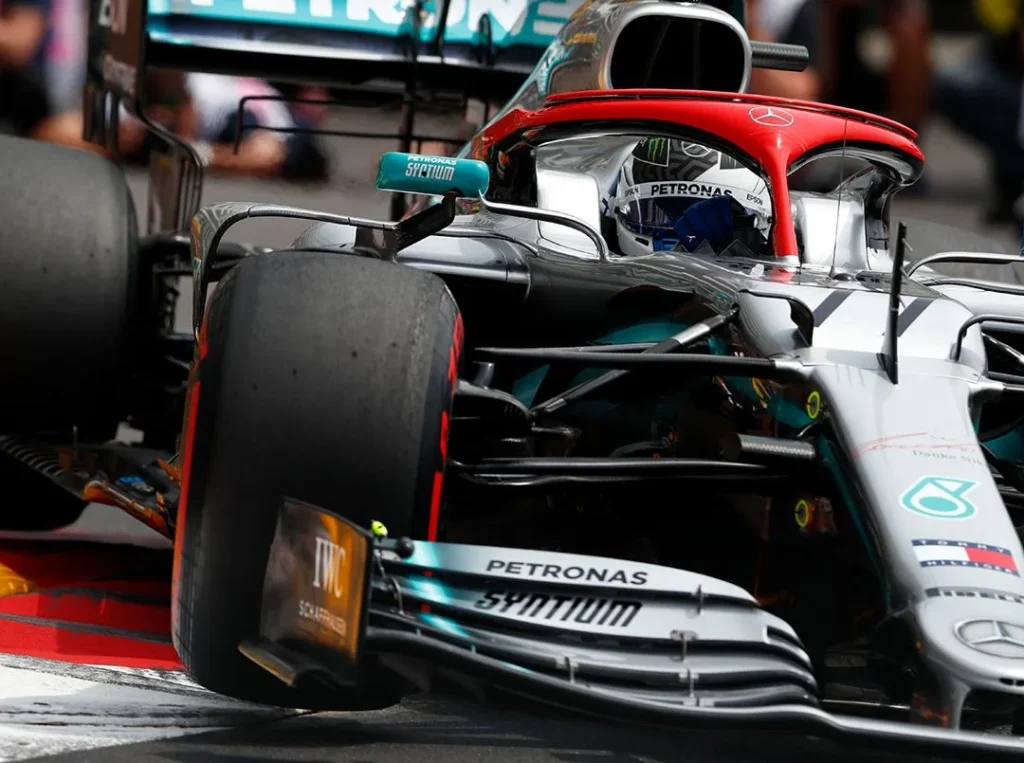
Understeer and Oversteer are two of the most fundamental concepts in motorsport, shaping how a car behaves in corners and how drivers adapt their driving style. Whether you’re watching Formula 1, GT racing, or club motorsport, understanding the difference between understeer and oversteer reveals why cars lose time, why drivers make mistakes, and how races are won or lost.
What Is Understeer in Racing?
Understeer occurs when a car turns less than the driver intends, causing it to push wide toward the outside of a corner. The driver turns the steering wheel, but the front tires fail to generate enough grip to follow the desired line.
In simple terms, the car doesn’t want to turn.
This phenomenon is extremely common in both road cars and race cars and is often deliberately engineered into vehicles because it is more predictable and stable than oversteer.
How Understeer Feels to the Driver
From the cockpit, understeer feels frustrating and limiting:
- The steering wheel feels light and ineffective
- The car drifts toward the outside of the corner
- Turning the wheel more has little effect
- The front tires may scrub or squeal
- Lap time is lost as the racing line is compromised
Drivers often describe understeer as “pushing” or “plowing” through a corner.
Why Understeer Happens
Understeer is fundamentally a front-grip limitation. The front tires cannot provide enough lateral force to match the driver’s steering input.
Common causes include:
- Entering the corner too fast
- Excessive braking while turning
- Front tires overheating or wearing
- Too much weight transfer off the front axle
- Aerodynamic imbalance (too little front downforce)
- Setup choices favoring rear stability
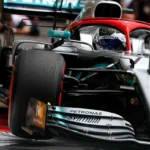
In Formula 1, understeer is often more noticeable in slow and medium-speed corners, where front-end mechanical grip is crucial.
What Is Oversteer in Racing?
Oversteer is the opposite behavior: the car turns more than the driver intends, with the rear of the car stepping out toward the outside of the corner.
In simple terms, the car wants to rotate too much.
Oversteer can be thrilling, fast, and spectacular — but also dangerous if uncontrolled.
How Oversteer Feels to the Driver
When oversteer occurs, drivers experience:
- Sudden rear-end rotation
- The need for rapid steering correction (countersteer)
- A sensation of the car pivoting around the front axle
- Risk of spinning if not corrected
- Increased physical and mental workload
In extreme cases, oversteer results in a full spin, costing positions or ending a race.
Why Oversteer Happens
Oversteer is a rear-grip limitation, where the rear tires lose traction before the front tires.
Typical causes include:
- Applying throttle too aggressively on corner exit
- Braking too late while turning
- Rear tires overheating or degrading
- Too much rear weight transfer
- Aerodynamic imbalance (too little rear downforce)
- Aggressive setup choices
In Formula 1, oversteer is often associated with high-speed corners and corner exits, where torque delivery and aerodynamic load are critical.
Understeer vs Oversteer: The Core Differences
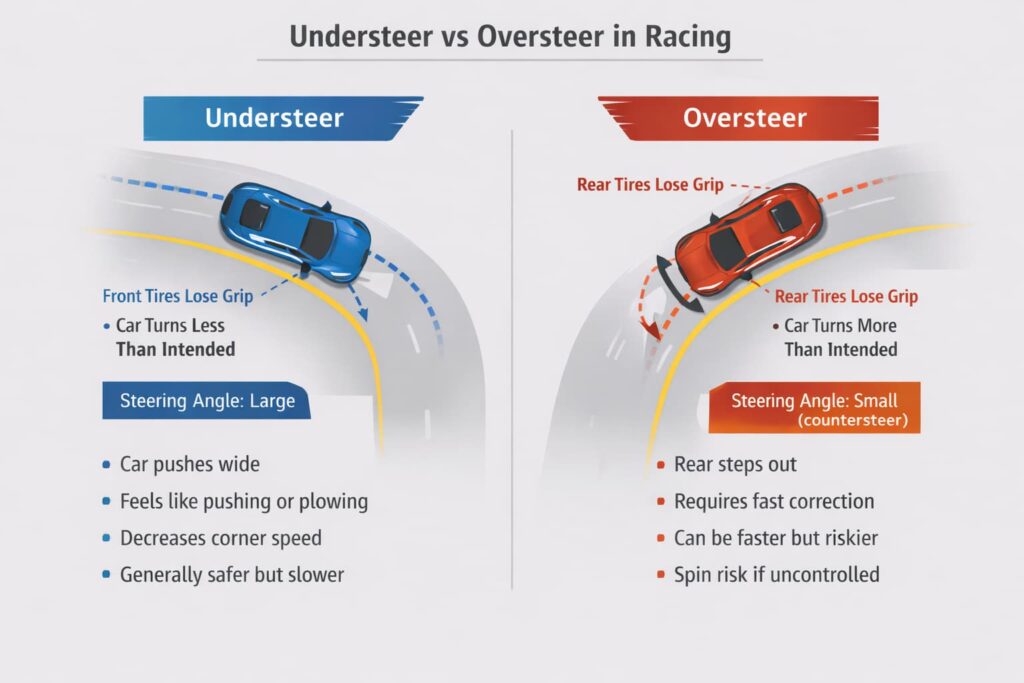
Although both conditions reduce performance, they affect the car — and the driver — in very different ways.
Key differences include:
- Understeer affects the front tires
- Oversteer affects the rear tires
- Understeer pushes the car wide
- Oversteer rotates the car inward
- Understeer is generally safer
- Oversteer is generally faster but riskier
Visualizing the Difference
Imagine entering a corner:
- With understeer, the car runs wide even though the wheel is turned
- With oversteer, the rear steps out and points the car toward the inside
This difference explains why some drivers prefer a “pointy” car (oversteer-prone) while others prefer stability (understeer-prone).
Why Understeer Is Common in Road Cars
Most production cars are intentionally designed to understeer.
Manufacturers choose this behavior because:
- It is more predictable for average drivers
- It reduces the likelihood of sudden spins
- Drivers instinctively slow down when understeer occurs
- Safety systems can manage understeer more easily
Front-wheel-drive cars are particularly prone to understeer because the front tires must handle:
- Steering
- Acceleration
- Braking
This overload reduces available grip.
Why Racing Cars Often Prefer Mild Oversteer
In contrast, racing cars — especially in Formula 1 — often aim for a neutral to slightly oversteering balance.
This is because:
- A rotating car can carry more corner speed
- Drivers can point the car earlier toward the exit
- Throttle can be applied sooner
- Lap times are generally faster
However, this balance requires extreme skill, confidence, and precision.
Many elite drivers — such as Max Verstappen or Ayrton Senna — are known for preferring cars that rotate aggressively on entry.
Corner Phases: Where Understeer and Oversteer Appear
Car balance changes throughout a corner, meaning understeer and oversteer can occur at different moments.
Corner Entry
During braking and initial turn-in:
- Entry understeer occurs if the front tires are overloaded
- Entry oversteer occurs if rear grip is lost under braking
Causes include:
- Brake bias settings
- Trail braking technique
- Weight transfer dynamics
Mid-Corner
At maximum lateral load:
- Understeer appears if front grip saturates
- Oversteer appears if rear grip drops suddenly
Mid-corner balance is heavily influenced by:
- Suspension geometry
- Tire condition
- Aerodynamic load
Corner Exit
As throttle is applied:
- Exit understeer happens if the front tires struggle to pull the car
- Exit oversteer happens if rear tires cannot handle torque
This phase is critical for lap time and overtaking opportunities.
How Drivers Correct Understeer
When understeer appears, drivers must reduce front tire load.
Common corrective actions include:
- Lifting off the throttle
- Releasing brake pressure smoothly
- Straightening the steering slightly
- Waiting for front grip to return
Turning the wheel more usually makes understeer worse, as it further overloads the front tires.
How Drivers Correct Oversteer
Oversteer requires quick and precise reactions.
Drivers typically:
- Apply countersteer (turn into the slide)
- Modulate throttle carefully
- Avoid sudden braking
- Balance the car with steering and throttle
At high speeds, even small mistakes can result in spins.
Setup Changes That Affect Understeer and Oversteer
Car setup plays a massive role in balance.
Setup Changes That Increase Understeer
- Stiffer front suspension
- Softer rear suspension
- Reduced front wing angle
- Increased rear wing angle
- Forward brake bias
Setup Changes That Increase Oversteer
- Softer front suspension
- Stiffer rear suspension
- Increased front wing angle
- Reduced rear wing angle
- Rearward brake bias
Engineers constantly adjust these parameters to suit track conditions and driver preference.
Tire Behavior and Balance
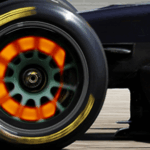
Tires are often the dominant factor in understeer and oversteer.
Key tire-related factors include:
- Tire temperature windows
- Degradation rates
- Pressure settings
- Compound selection
For example:
- Overheated front tires = understeer
- Overheated rear tires = oversteer
This is why balance can change dramatically during a race stint.
Aerodynamics and High-Speed Balance
At high speeds, aerodynamics dominate grip levels.
- Loss of front downforce leads to high-speed understeer
- Loss of rear downforce leads to high-speed oversteer
Wind direction, ride height, and dirty air can all affect aerodynamic balance, especially in Formula 1.
Understeer, Oversteer, and Lap Time
Both conditions slow the car, but in different ways.
- Understeer increases corner radius and exit delay
- Oversteer risks instability and loss of momentum
The fastest lap times usually come from a neutral balance, where the car neither pushes nor snaps.
Famous Examples in Formula 1
Throughout F1 history, car balance has defined seasons.
Notable examples include:
- 2009–2013 Red Bull cars with strong front-end rotation
- Mercedes struggles with understeer during regulation changes
- Drivers adapting setups mid-season to regain balance
Understanding understeer vs oversteer helps explain why certain drivers outperform teammates in the same car.
Final Thoughts
Understeer and Oversteer are not just technical terms — they define how a racing car communicates with its driver.
Mastering the balance between front and rear grip is one of the greatest challenges in motorsport. The best drivers don’t eliminate understeer or oversteer entirely — they manage, anticipate, and exploit them to extract maximum performance.
Understeer occurs when the front tires lose grip and the car turns less than intended, while oversteer occurs when the rear tires lose grip and the car turns more than intended.
Mild oversteer is generally faster in racing because it allows better rotation and earlier throttle application, but it is also riskier than understeer.
Yes. A car can understeer in one phase of a corner and oversteer in another, depending on speed, throttle input, braking, and grip levels.