The Best Fluffy Pancakes recipe you will fall in love with. Full of tips and tricks to help you make the best pancakes.

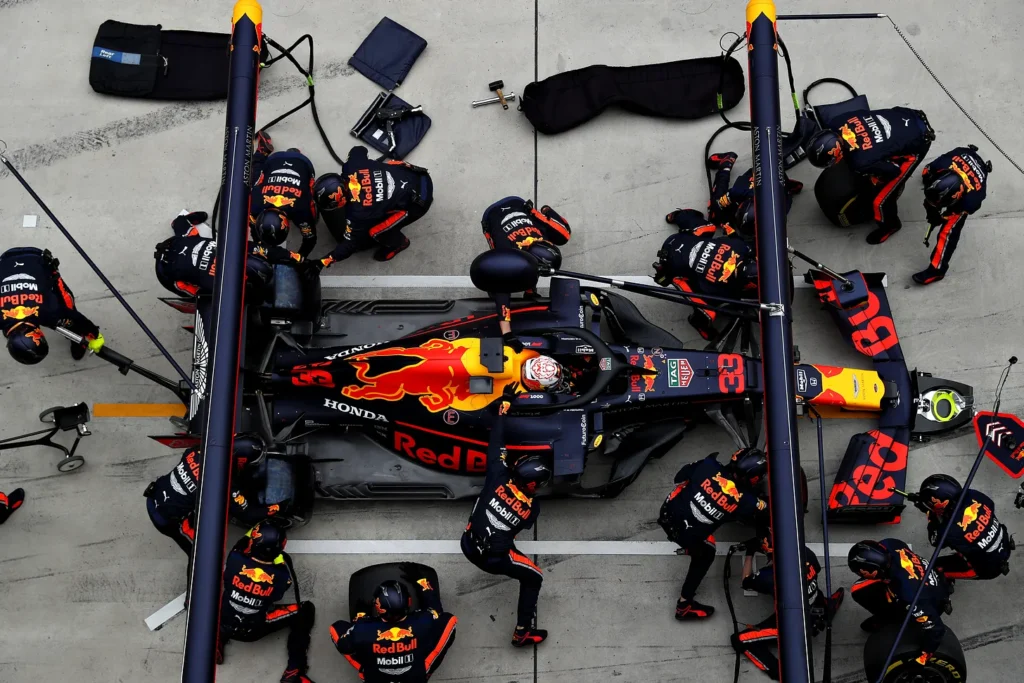
In modern motorsport, races are rarely won on raw speed alone. Pit stop strategy — when to stop, which tires to use, and how teams react to changing conditions — can decide victories, podiums, and championships. From perfectly timed undercuts to disastrous safety car miscalculations, pit strategy is one of the most powerful and unforgiving weapons in racing.
Introduction: Why Pit Stop Strategy Matters More Than Ever
In the early days of motorsport, races were often simple endurance tests: drive fast, manage reliability, and reach the finish. Today, especially in Formula 1 and top-level racing series, strategy is just as important as pace.
A car can be the fastest on track and still lose due to a poor pit stop call. Conversely, a slower car can win by making smarter decisions at the right moment.
Pit stop strategy influences:
- Track position
- Tire life and performance
- Fuel management
- Overtaking opportunities
- Driver workload and confidence
At its core, pit strategy is a high-speed chess match played at over 300 km/h — with real-time data, human judgment, and enormous pressure.
What Is Pit Stop Strategy?
Pit stop strategy is the planned and reactive decision-making process that determines:
- When a car enters the pit lane
- How many pit stops are made
- Which tires are fitted
- How the race is adapted to changing conditions
It is not a single decision, but a constantly evolving plan that responds to the race as it unfolds.
Core Elements of Pit Strategy
Pit stop strategy is built around several key components:
- Tire compound selection
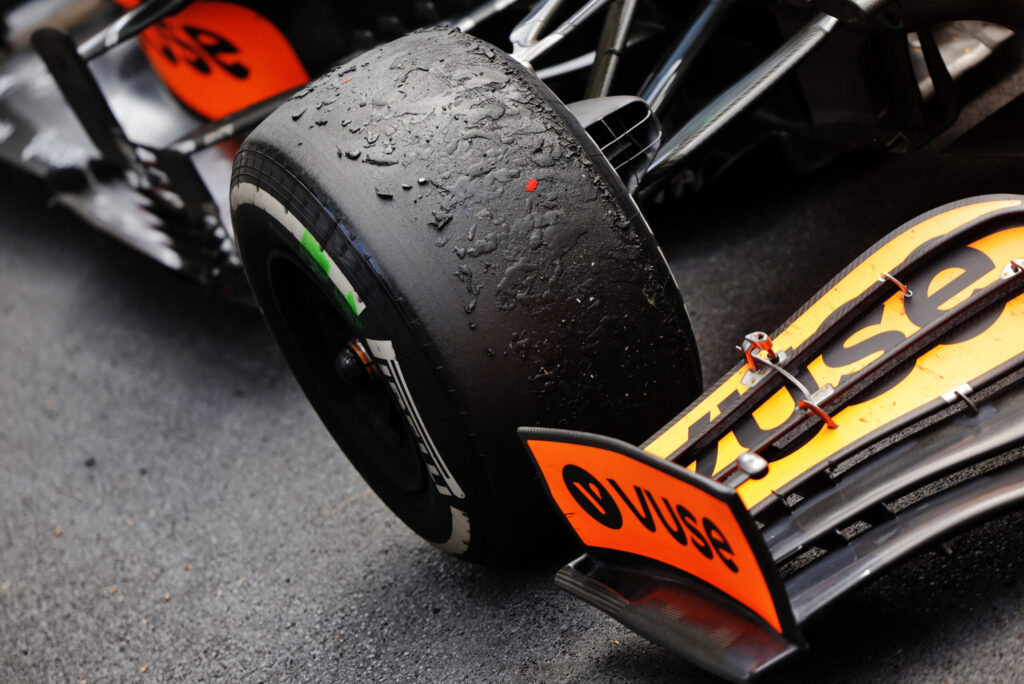
- Tire degradation and performance drop-off
- Traffic and track position
- Fuel load and consumption
- Safety cars and virtual safety cars
- Weather changes
- Rival team behavior
Every lap provides new information that can force teams to adapt instantly.
The Role of Tires in Pit Stop Strategy
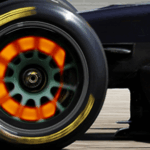
Tires are the foundation of modern pit strategy. In Formula 1, teams must manage multiple compounds with different performance characteristics.
Tire Compounds and Performance
Each compound offers a trade-off:
- Soft tires
- Fastest lap times
- High grip
- Rapid degradation
- Medium tires
- Balanced performance
- Moderate durability
- Hard tires
- Slowest outright pace
- Longest lifespan
- Consistent performance
Choosing the wrong compound — or using it at the wrong time — can destroy a race.
Tire Degradation and Strategy Windows
As tires wear, lap times increase. Teams analyze:
- Degradation rate
- Thermal behavior
- Graining and blistering risks
A driver staying out too long can lose seconds per lap, making even a quick pit stop insufficient to recover track position.
Undercut and Overcut: The Two Most Powerful Strategic Tools
Two of the most common strategic maneuvers in racing are the undercut and the overcut.
What Is an Undercut?
An undercut occurs when a driver pits earlier than a rival to gain an advantage on fresh tires.
How it works:
- Driver pits earlier
- Gains grip advantage immediately
- Sets faster lap times
- Rival stays out on worn tires
- Position is gained after the rival pits
Undercuts are extremely effective when:
- Tire warm-up is quick
- Degradation is high
- Traffic is clear after the pit stop
What Is an Overcut?
An overcut is the opposite approach: staying out longer than a rival.
This works when:
- New tires take time to warm up
- Track position is critical
- Clean air allows strong lap times
- Rivals rejoin in traffic
Overcuts often succeed when tire warm-up penalties outweigh fresh tire benefits.
Track Position vs Fresh Tires
One of the hardest strategic decisions is choosing between:
- Track position
- Tire advantage
In racing, overtaking is not always easy. Sometimes staying ahead on older tires is preferable to rejoining behind on fresher rubber.
Teams must evaluate:
- Overtaking difficulty of the circuit
- DRS effectiveness
- Driver skill differential
- Tire delta (lap time difference)
At tracks like Monaco or Singapore, track position is often more valuable than tire life.
Safety Cars: Strategy Game-Changers
Few events influence pit strategy more than a Safety Car (SC) or Virtual Safety Car (VSC).
Why Safety Cars Matter
Under safety car conditions:
- Lap times are much slower
- Pit stop time loss is reduced
- “Free” pit stops become possible
Pitting at the right moment during a safety car can gain massive advantages.
Risks of Safety Car Decisions
However, safety cars are unpredictable.
Teams risk:
- Pitting just before a safety car (worst-case scenario)
- Staying out and losing position
- Switching to the wrong tire compound
Some races are decided almost entirely by safety car timing.
Weather and Variable Conditions
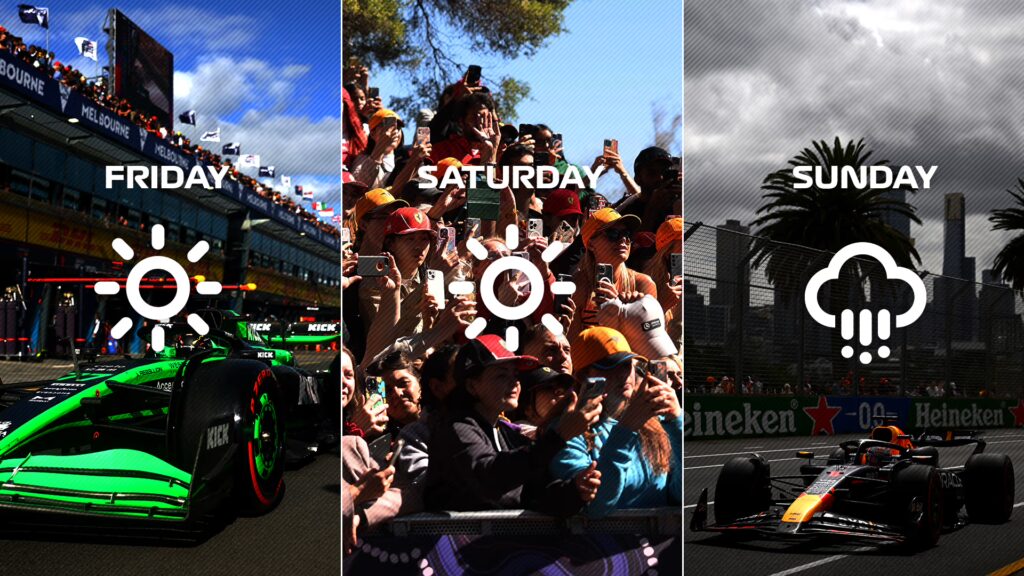
Changing weather adds another layer of complexity.
Dry to Wet Transitions
When rain appears:
- Slick tires become useless
- Wet or intermediate tires are required
Pitting too early or too late can cost enormous time.
Wet to Dry Transitions
As the track dries:
- Intermediates overheat
- Slick tires become faster
Choosing the exact crossover lap is one of the hardest calls in racing.
Fuel Strategy and Its Influence
While refueling is banned in Formula 1, fuel still plays a strategic role.
Fuel affects:
- Car weight
- Tire wear
- Lap time consistency
Drivers may be asked to:
- Lift and coast
- Save fuel early
- Push later in the race
Poor fuel management can compromise pit strategy options.
Driver Feedback and Adaptability
Drivers are a critical part of pit strategy execution.
They provide feedback on:
- Tire condition
- Grip levels
- Traffic behavior
- Balance changes
A driver who understands strategy can:
- Extend stints
- Protect tires
- Execute undercuts effectively
Miscommunication between driver and pit wall often leads to strategic failures.
Real-World Examples of Strategy Deciding Races
Throughout racing history, pit strategy has delivered iconic moments.
Examples include:
- Surprise victories from perfect undercuts
- Lost championships due to mistimed safety car calls
- Bold one-stop strategies beating faster two-stop plans
Fans often remember these races not for overtakes, but for decisions made on the pit wall.
Common Pit Strategy Mistakes
Even top teams make mistakes.
Typical errors include:
- Reacting too late to rivals
- Ignoring tire degradation data
- Overcomplicating strategy
- Misjudging traffic gaps
- Failing to adapt to weather changes
At the highest level, a single wrong call can erase an entire weekend’s work.
Why Strategy Is More Important Than Ever in Modern Racing
Modern racing cars are:
- Aerodynamically sensitive
- Tire-limited
- Closely matched in performance
This makes on-track overtaking harder and strategy more decisive.
Teams invest heavily in:
- Simulation tools
- Strategy software
- Dedicated race strategists
- Real-time data analysis
Races are increasingly won in control rooms, not just on track.
Final Thoughts
Pit stop strategy is the invisible force that shapes modern racing.
While drivers fight wheel-to-wheel on track, races are often decided by calculations, predictions, and split-second decisions made on the pit wall. Understanding pit strategy reveals why victories can come from nowhere — and why the fastest car does not always win.
Pit stop strategy can win a race by optimizing tire performance, track position, and timing around safety cars, allowing a driver to gain time or positions without overtaking on track.
An undercut is a strategy where a driver pits earlier than a rival to use fresh tires and set faster lap times, gaining position when the rival eventually pits.
Teams may stay out to maintain track position, avoid traffic, or wait for a safety car, especially on circuits where overtaking is difficult.